Applications

Explore our solutions for smart homes, environmental monitoring, healthcare electronics and industrial applications.

Smart Home
Smart Home
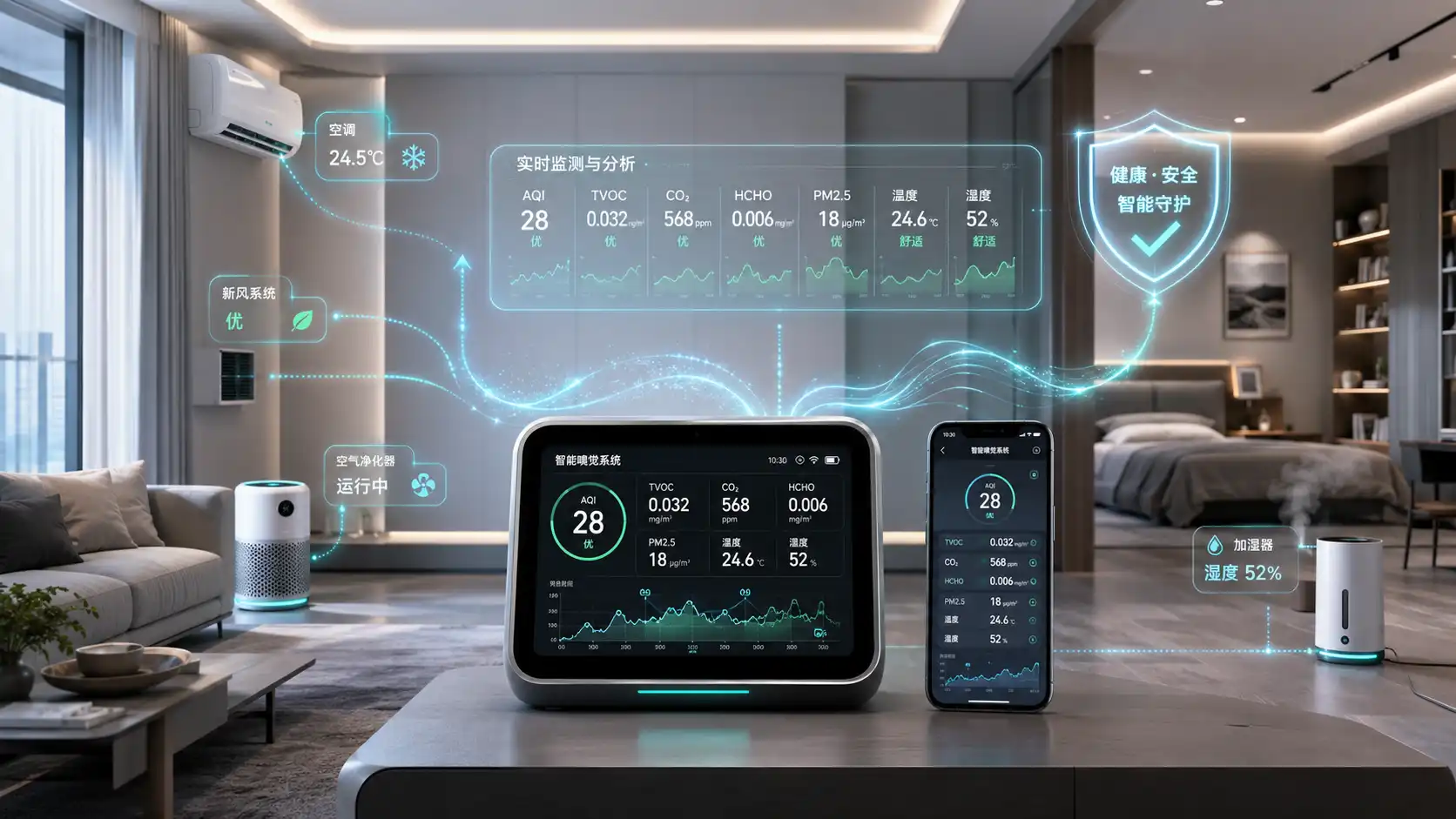
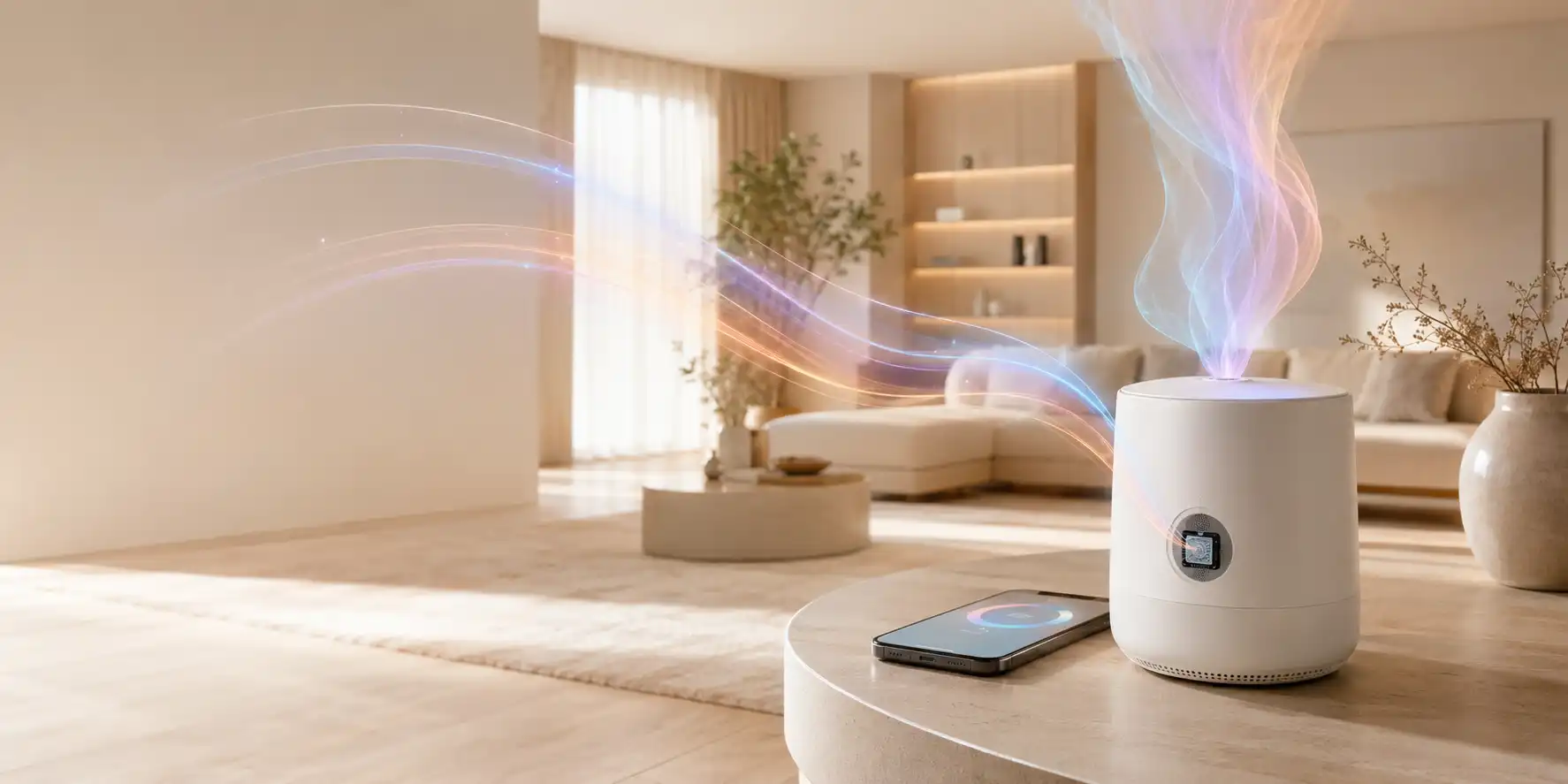
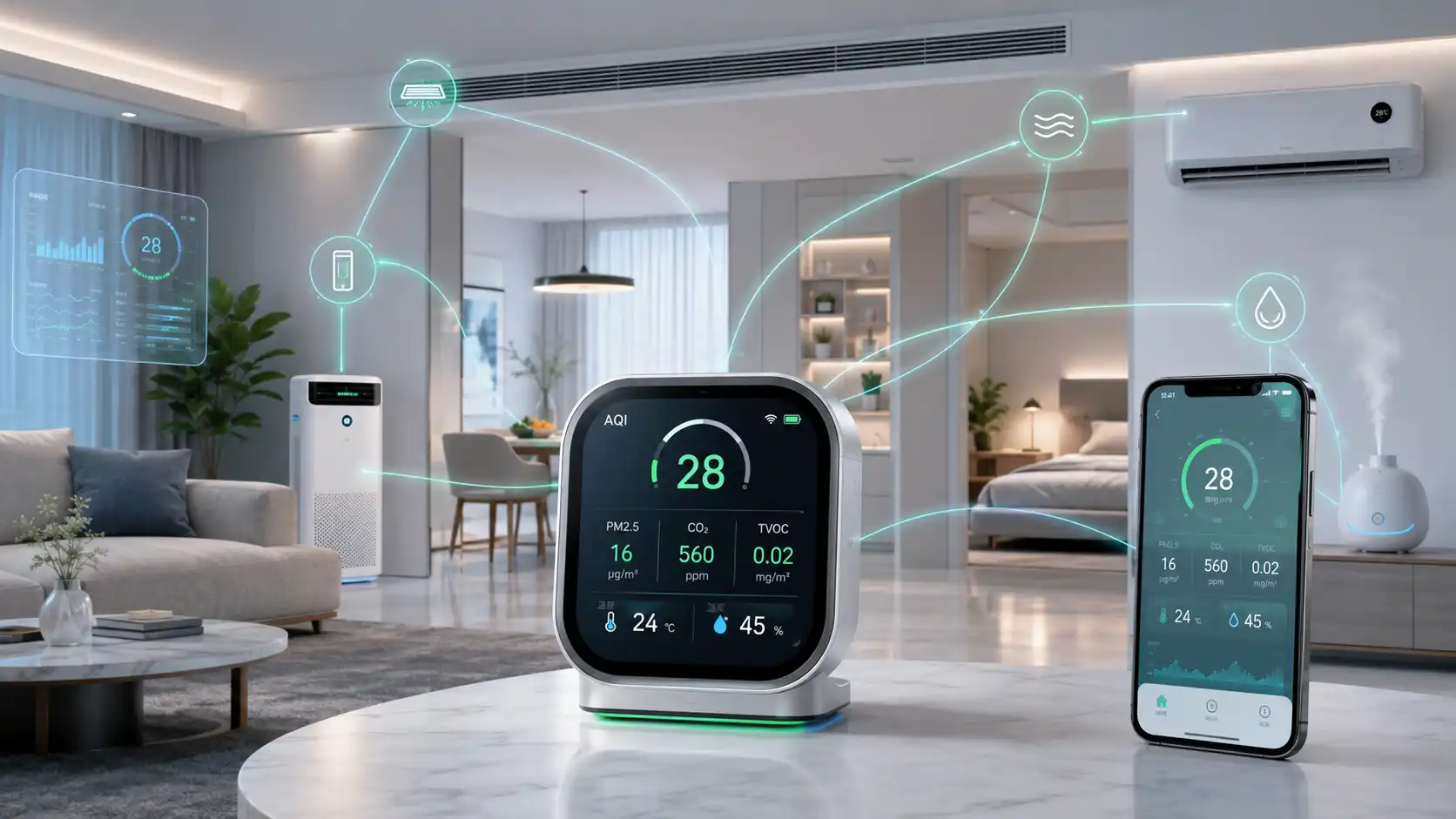
In the smart home sector, MEMS gas sensors can monitor indoor environmental quality, detect gas leaks, smoke, and other abnormal conditions, ensuring household safety. They help improve the intelligence level of smart home devices and enhance users’ quality of life. As an effective solution for indoor gas environment monitoring, air quality monitoring devices have gained significant adoption in recent years due to their advantages such as portability, ease of operation, and real-time monitoring capability. However, most conventional indoor air quality monitors currently available offer limited functionality and can only measure individual environmental parameters, making it difficult to comprehensively evaluate indoor air conditions. Furthermore, many indoor gas detection devices do not perform further analysis or processing of the detected gas parameters, overlooking the cross-sensitivity issues commonly found in gas sensors. As a result, measurement accuracy can be significantly af
Air Quality Monitoring
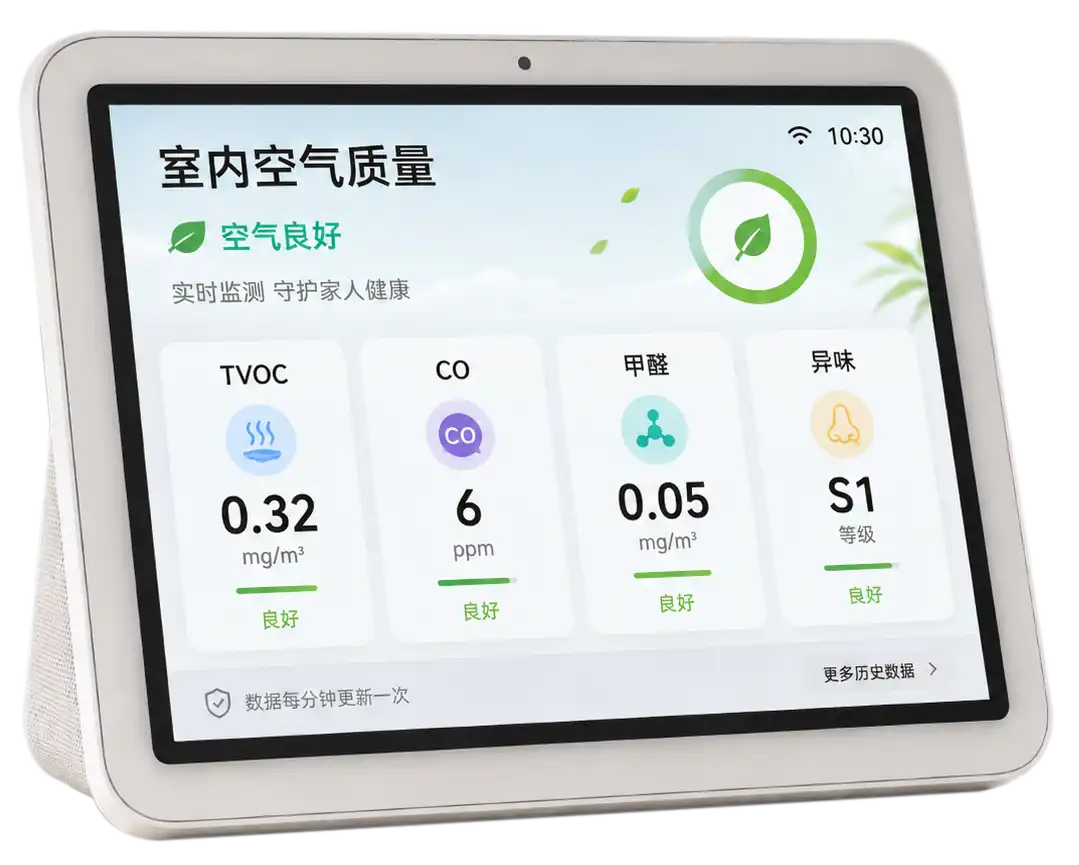
As an effective solution for indoor gas environment monitoring, air quality monitoring devices have gained widespread adoption in recent years due to their advantages, including portability, ease of operation, and real-time monitoring capabilities. However, most conventional indoor air quality monitors currently available have relatively limited functionality, typically measuring only a single environmental parameter and lacking a comprehensive assessment of indoor air quality. Furthermore, many indoor gas detection devices do not perform further analysis or processing of the detected gas parameters, overlooking the cross-sensitivity commonly found in gas sensors. As a result, measurement results can be easily affected by interfering gases, making it difficult to achieve high detection accuracy.
Robot Vacuum Cleaner
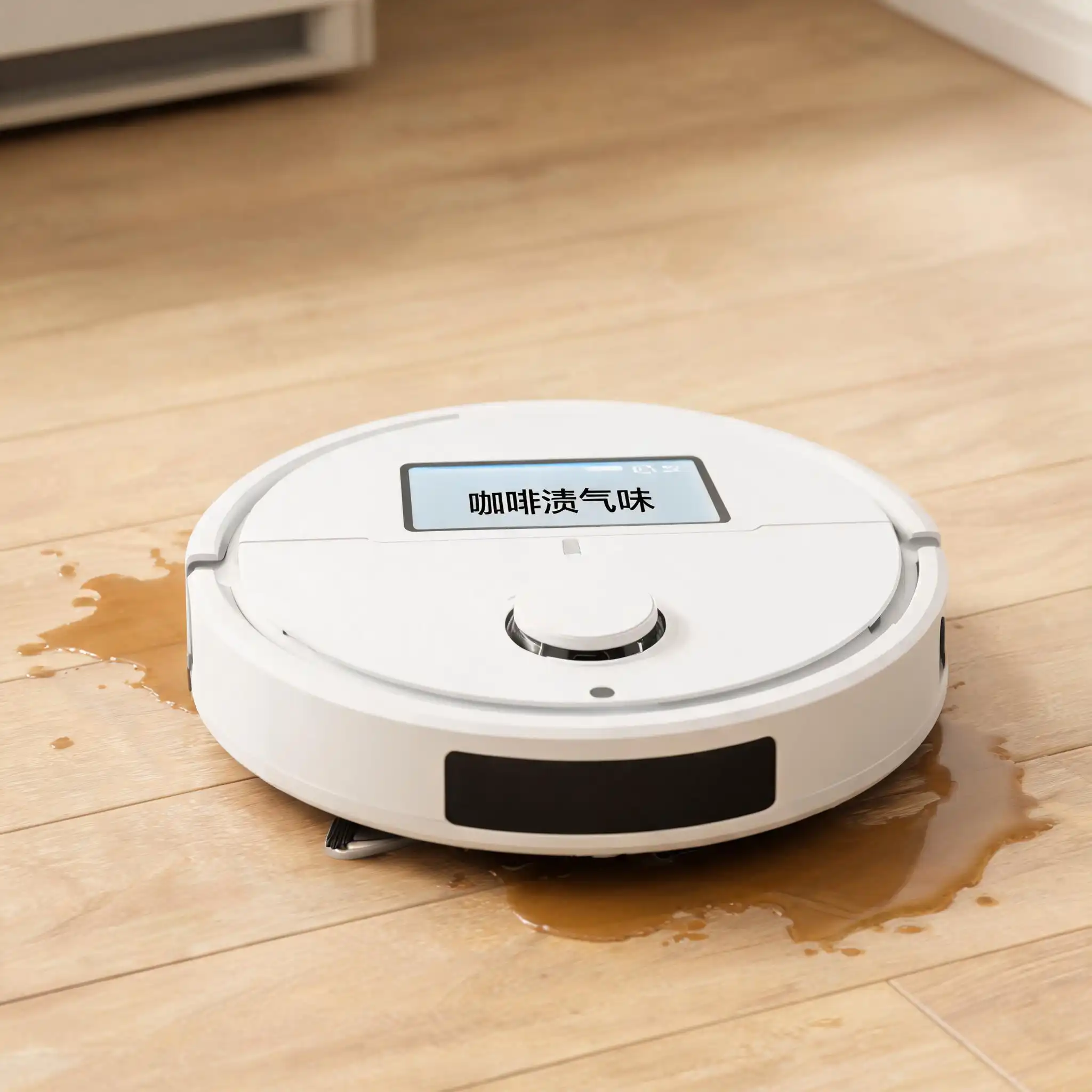
Used for indoor environment monitoring and control, dedicated gas sensors are employed for detection, combined with AI recognition algorithms and obstacle avoidance functions to achieve effective navigation, hazard avoidance, and alarm response. When abnormal odors are detected, the system can trigger an alarm or automatically activate air purifiers, ventilation systems, fresh air exchange systems, and other treatment measures. It can also support regular replacement and cleaning management, while optimizing and controlling the usage amount of cleaning agents.
Smart Trash Bin
Smart Trash Bin
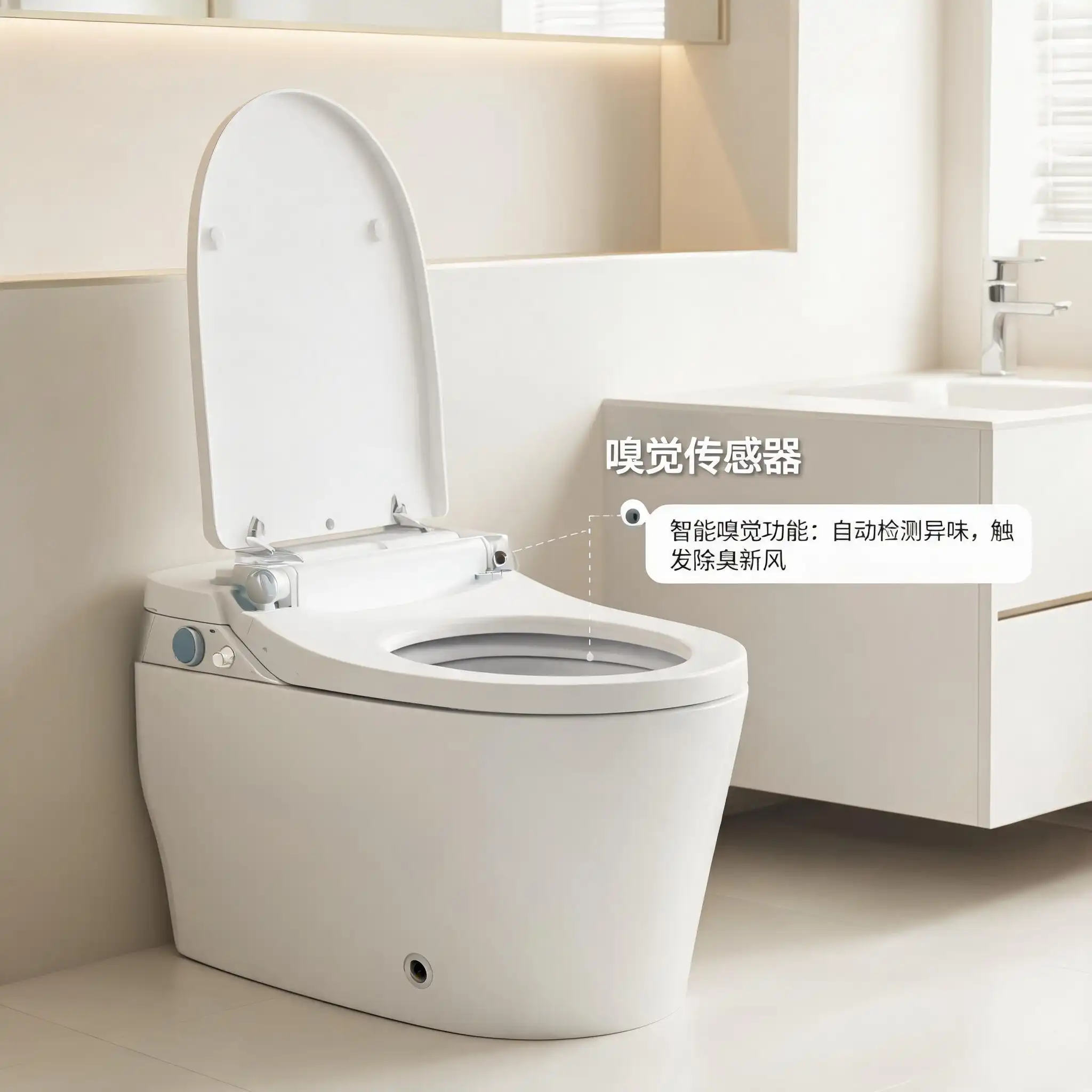
In smart toilet applications, gas sensors can provide real-time detection of TVOC, ammonia (NH₃), hydrogen sulfide (H₂S), and other odor-causing gases released during use. By integrating with ventilation, deodorization, and smart home systems, they enable odor monitoring, automatic deodorization, and hygiene environment management. With further integration of multi-channel gas sensor arrays, standardized sampling structures, and pattern recognition algorithms, the system can collect multidimensional “odor fingerprints” generated by volatile compounds from urine and feces. This provides a foundation for long-term trend analysis and auxiliary risk screening research related to metabolic and health conditions such as diabetes and kidney diseases. The relationship between human volatile organic compounds (VOCs) and metabolic status, as well as electronic nose-based screening methods, is still undergoing continuous research and clinical validation. Therefore, this function should be posit
Smart Refrigerator
Smart Refrigerator
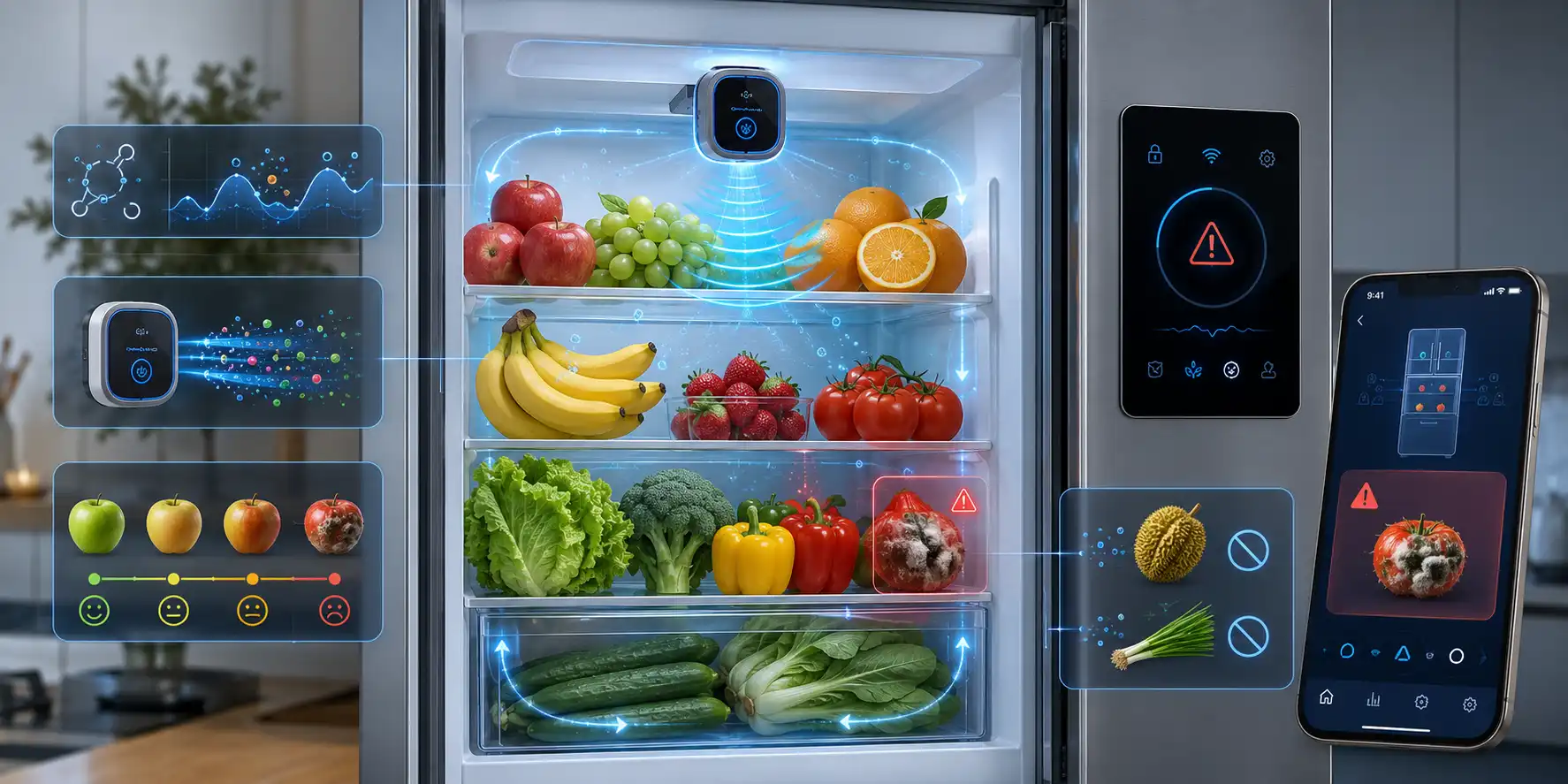
Refrigerator Fruit Freshness Detection Due to significant differences in characteristic odors between fresh and spoiled foods, an intelligent gas recognition platform can effectively identify changes in the atmosphere inside a refrigerator during different stages of food storage, thereby evaluating the freshness of stored food. The system can detect the freshness of ten types of fruits and vegetables in a refrigerator while eliminating interference from strong-smelling foods such as durian and chives. Once spoiled fruits or vegetables are detected, an alarm notification can be displayed on the refrigerator panel or pushed to a mobile APP.
Smart Kitchen Stove
Smart Kitchen Stove
Refrigerator Fruit Freshness Detection Due to the significant differences in characteristic odors between fresh and spoiled foods, an intelligent gas recognition platform can effectively identify changes in the internal refrigerator atmosphere during different stages of food storage, enabling evaluation of food freshness. The system can detect the freshness of ten types of fruits and vegetables stored in refrigerators while eliminating interference from strong-smelling foods such as durian and chives. Once spoiled fruits or vegetables are detected, the system can display warning information on the refrigerator panel or send notifications to a mobile APP.
Smart Pet Feeder
Smart Pet Feeder
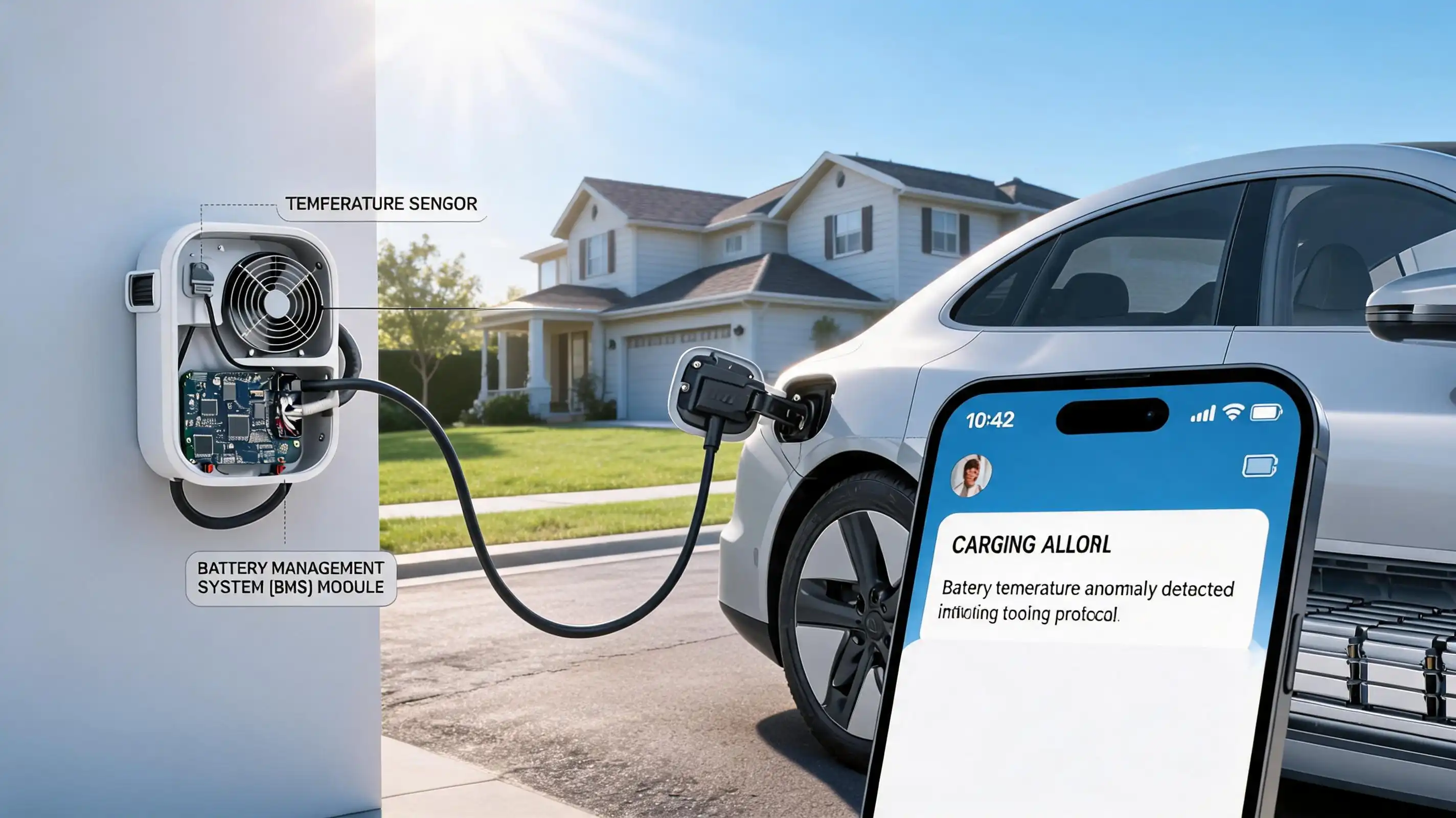
During home charging of new energy vehicles, abnormal conditions such as overcharging, internal short circuits, battery aging, or localized overheating may cause the release of hydrogen and other characteristic gases during the development stage of thermal runaway. Hydrogen sensors can be deployed in smart home charging systems, charging parking spaces, or near the vehicle underbody to continuously monitor low-concentration hydrogen variations. By combining hydrogen detection data with parameters such as temperature, current, and voltage, the system can perform multi-parameter fusion analysis for improved safety assessment. When an abnormal rising trend in hydrogen concentration is detected, the system can provide early risk warnings and trigger linked safety actions, including stopping the charging process, sending remote alerts, or initiating on-site safety response procedures. Compared with monitoring methods that rely solely on temperature or smoke signals, gas sensing can provi
Environmental
Environmental
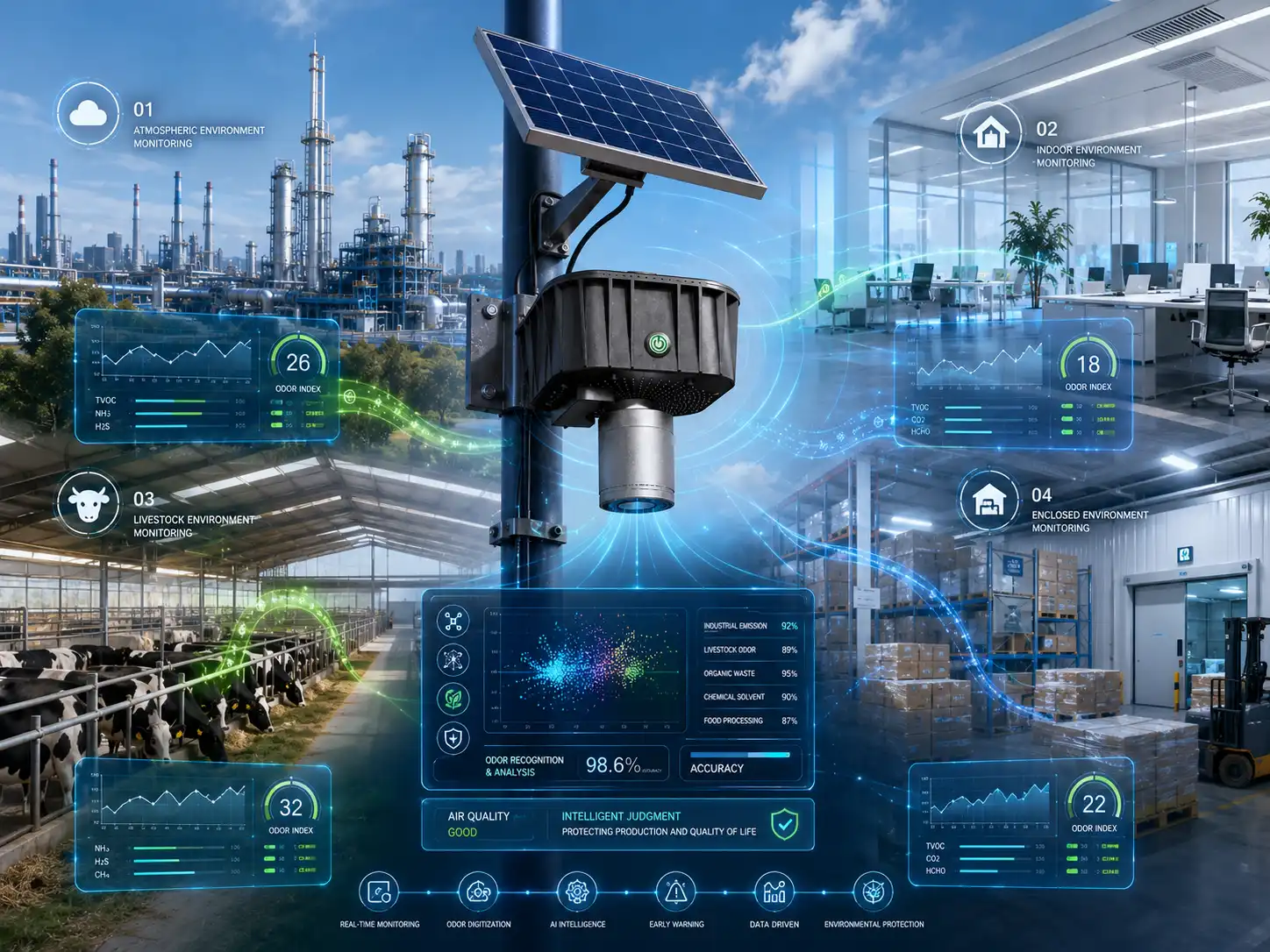
By using an odor digitization system, comprehensive intelligent odor assessment and output can be achieved for atmospheric environments, indoor environments, livestock farming environments, and other enclosed spaces. This helps effectively safeguard the safety and quality of people’s production activities and daily life.
Atmospheric Environmental Monitoring
By integrating intelligent olfaction with existing smart vision systems, a low-cost atmospheric grid monitoring network can be established. This enables real-time monitoring and source tracing of urban air pollutants, while providing richer data support for the smart city brain to achieve more efficient environmental governance.
Indoor Environmental Monitoring
Through an intelligent olfactory system, the concentration changes of indoor environmental pollutants can be monitored and analyzed in real time. The system can also transmit comprehensive indoor environmental information to household smart terminals, helping ensure a healthy and safe indoor environment.
Livestock Environment Monitoring
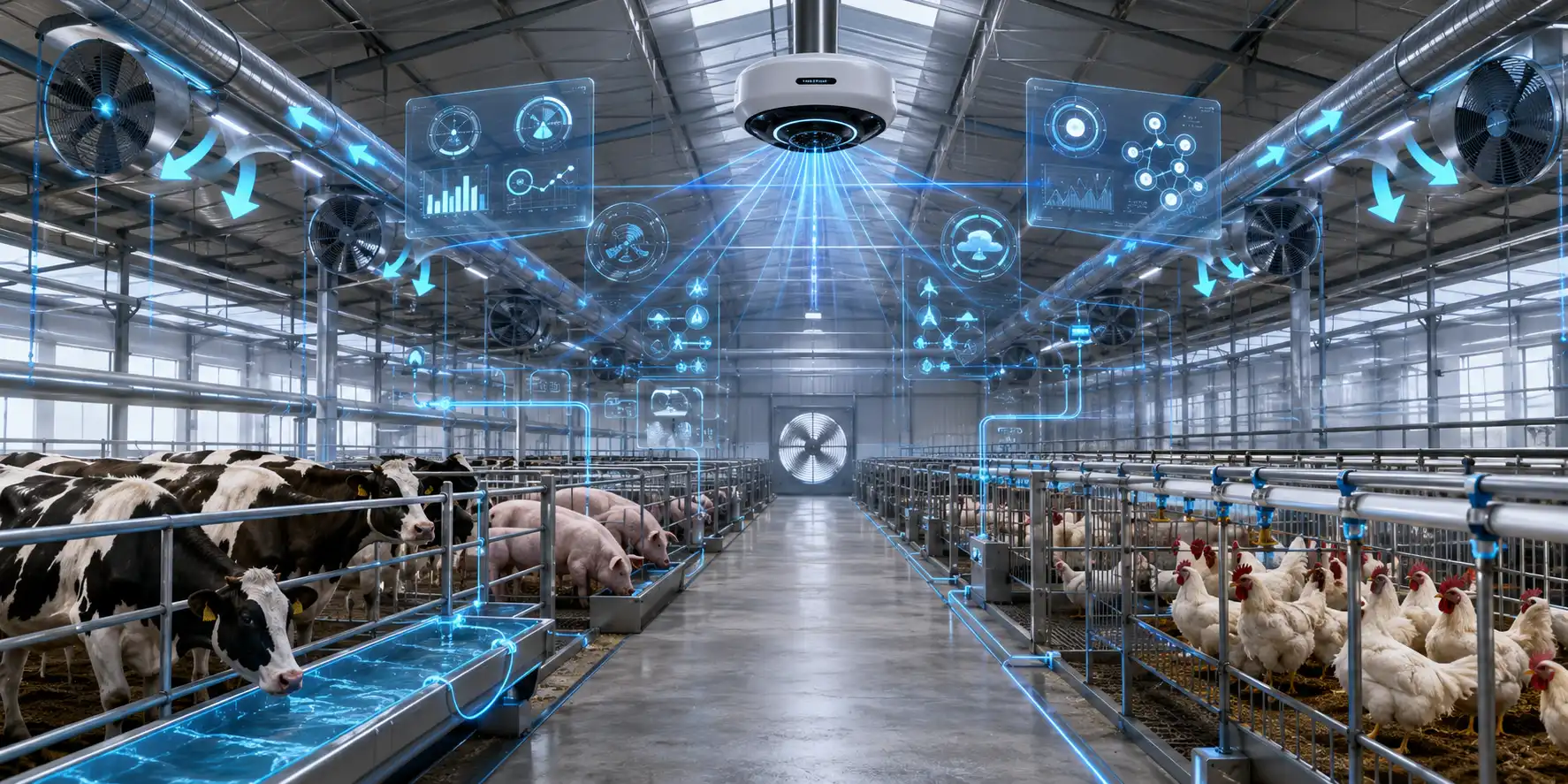
With the support of an intelligent olfactory system, modern livestock farms can achieve real-time monitoring of air quality in breeding areas. Through a centralized management platform, the system can be linked with fresh air ventilation, drinking water, and other facility systems, enabling intelligent regulation of the living environment for livestock and poultry.
Enclosed Environment Monitoring
In enclosed spaces such as subways, tunnels, mines, indoor environments, and cold-chain transportation scenarios, appropriate sensing technologies can be deployed to monitor air quality, hazardous gases, and pollutant gases within confined areas, helping ensure the safety of personnel inside.
Pet Health
Pet Health
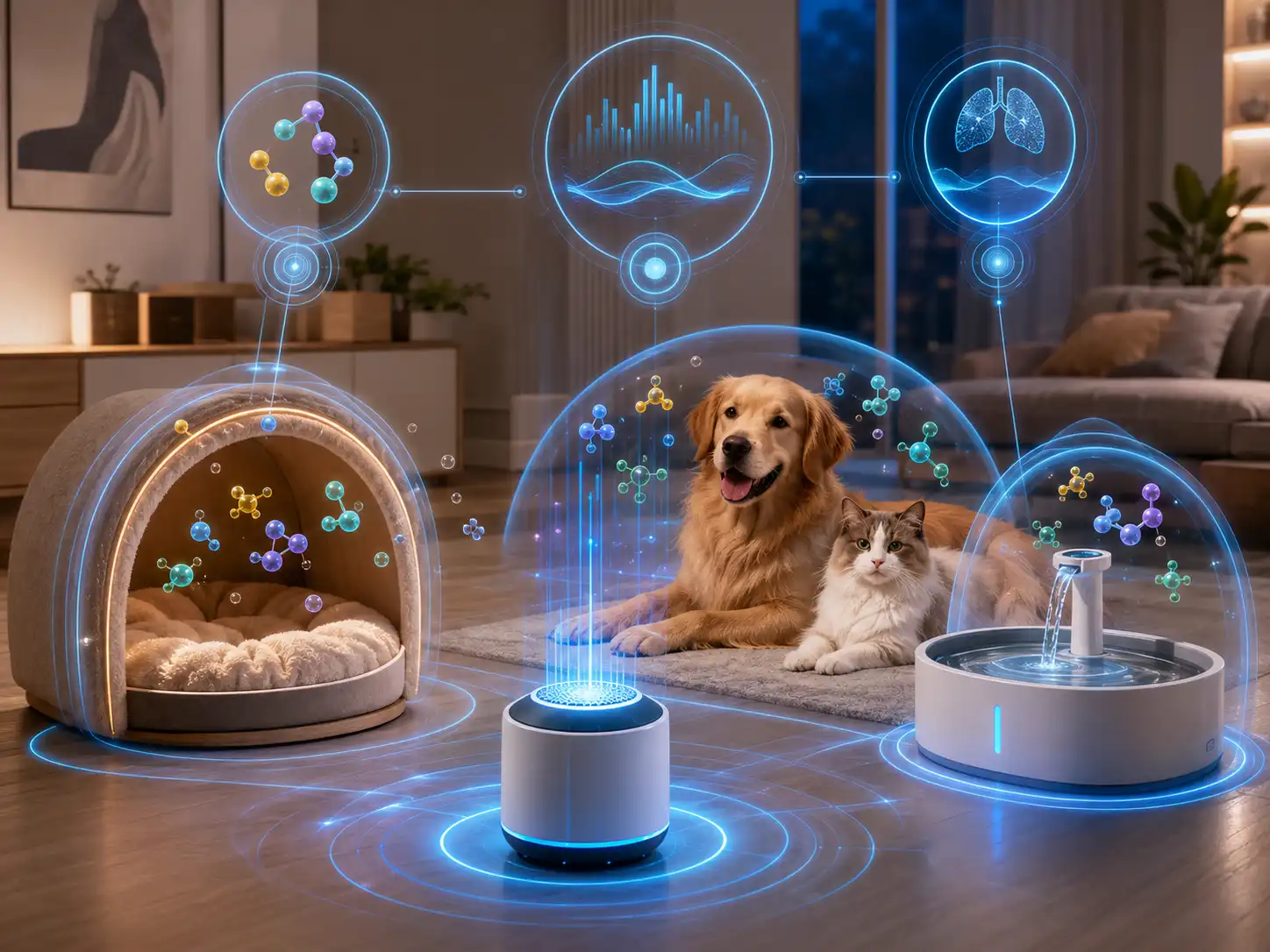
It can be used for odor level detection in pet shelters, odor detection in pet water dispensers, and pet body odor monitoring, helping owners monitor and improve the living environment of their pets and maintain pet health. The main target gases include hydrogen sulfide (H₂S), ammonia (NH₃), and nitrogen compounds.
Cat Litter Odor Removal
Cat litter is an essential product in daily cat care. However, urine and feces in cat litter can generate unpleasant odors, affecting the home environment. As a result, technologies for evaluating the deodorization performance of cat litter have emerged. Zhongke WeSense uses MEMS gas sensors to measure and output odor concentration levels before and after cat litter deodorization, allowing users to intuitively understand the deodorization effect of cat litter.
Water Dispenser Odor Detection
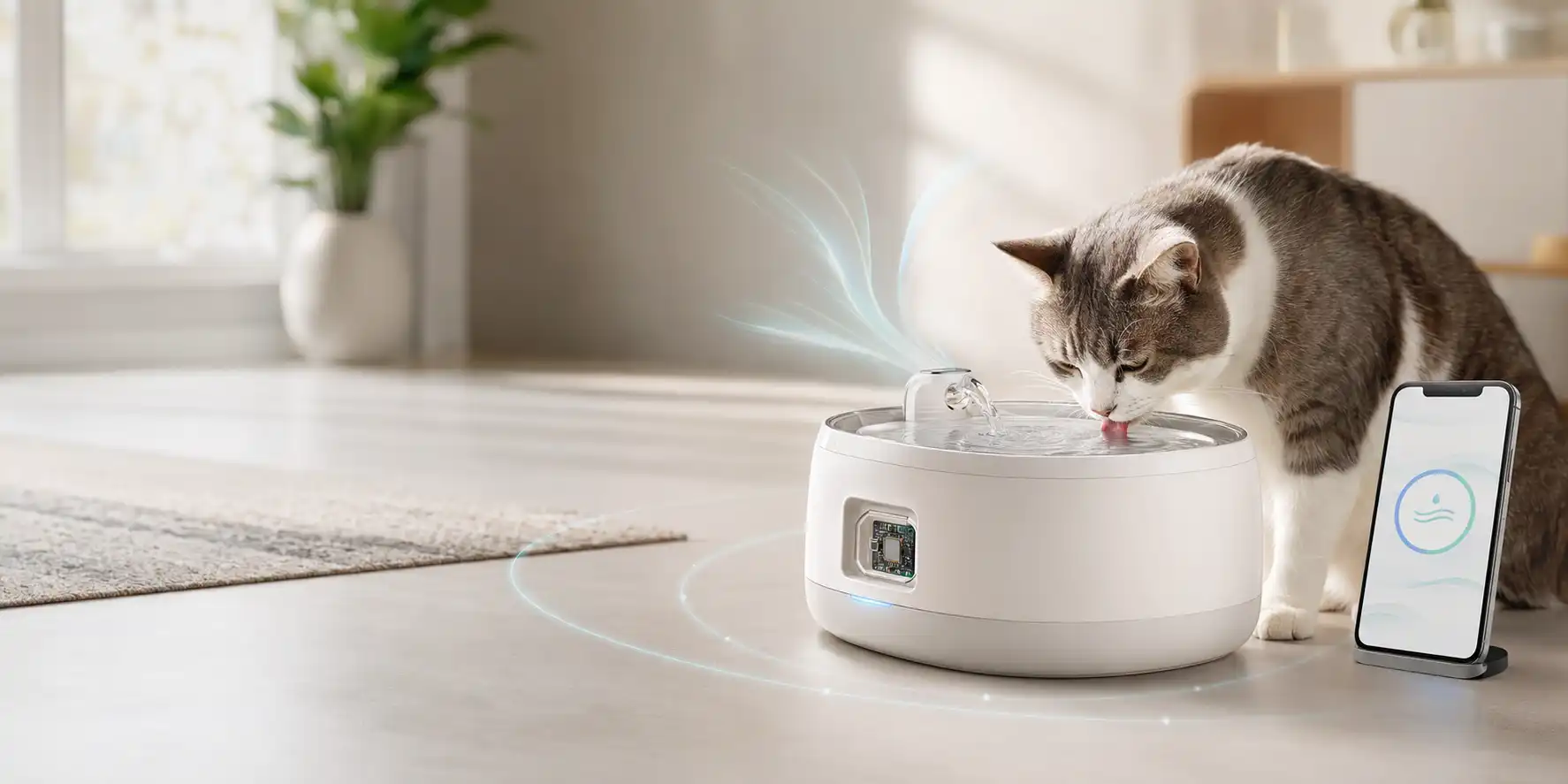
It can detect odor-causing components in pet water dispensers, including volatile organic compounds (VOCs), ammonia (NH₃), and other gases. When abnormal odors appear in pet drinking water, the MEMS gas sensor can detect them in real time and compare the measured values with preset thresholds. Once the detected value exceeds the threshold, odor-related information from the pet drinking water can be transmitted in real time to a smartphone or cloud platform via wireless communication technologies such as Wi-Fi or Bluetooth, reminding pet owners to replace the drinking water or clean the water dispenser.
Pet Health Monitoring
Using gas sensors to detect pet diseases is a method of assessing pet health by measuring gas components in the air. Gas sensors can analyze gases such as aldehydes and carbon monoxide (CO) in the air exhaled by pets, helping identify potential signs of disease. They can also be used to evaluate pets’ mental health status. For example, by measuring aldehyde gases in the air exhaled by pets, the system may help assess the level of anxiety in pets.
Healthcare
Healthcare
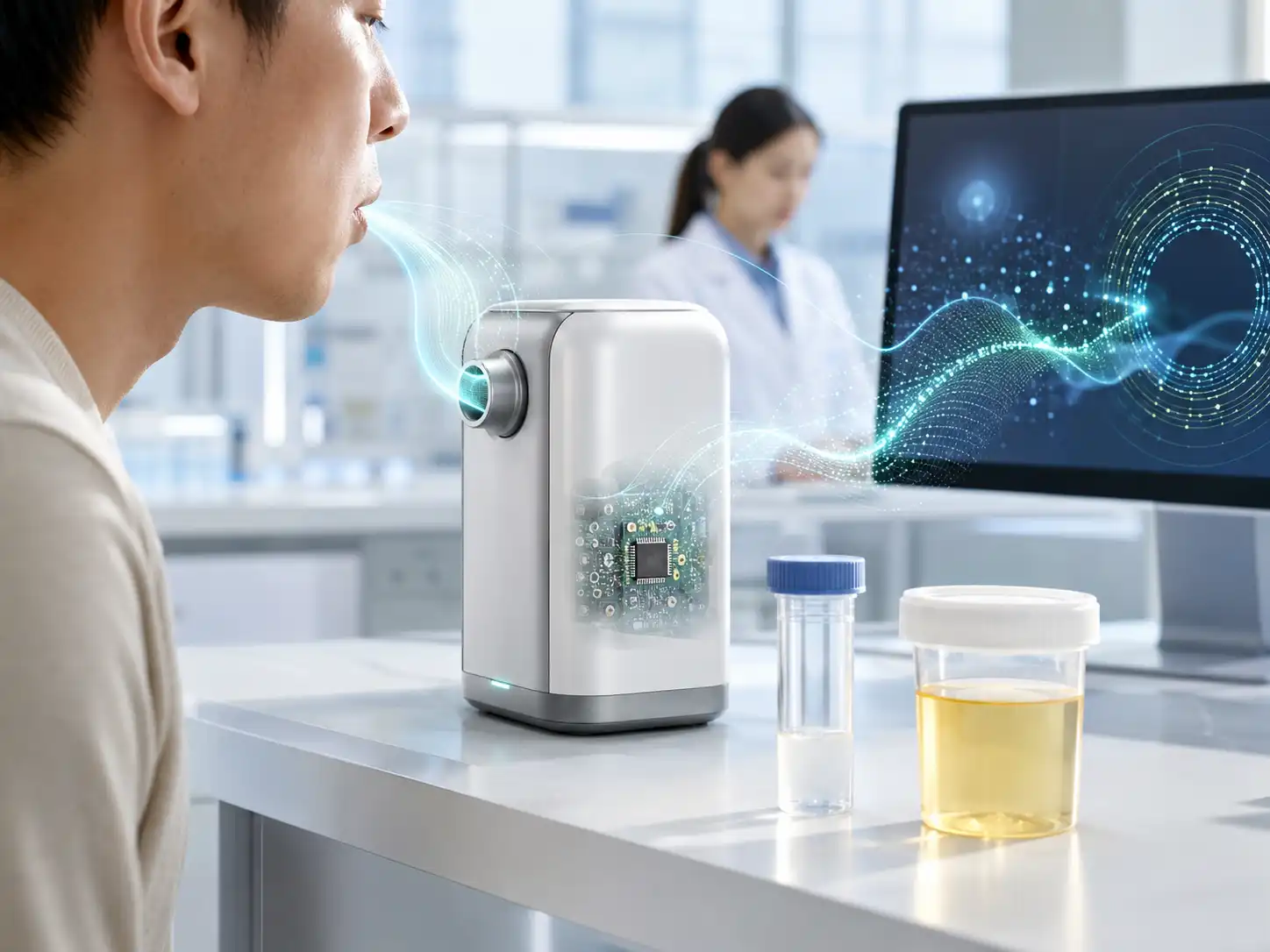
By detecting odor response characteristics from human urine, saliva, and exhaled breath, and combining them with machine learning and artificial intelligence technologies, the system can be used for the detection of diseases related to Helicobacter pylori, kidney function, and respiratory conditions, providing a convenient and feasible method for early diagnosis and treatment support.
Breath Analysis
Breath Analysis
By collecting human exhaled breath through a standardized sampling structure, the system digitally analyzes response characteristics to ammonia compounds, ketones, and various volatile organic compounds (VOCs). Combined with temperature and humidity compensation, an odor feature database, and machine learning algorithms, it can establish an individual breath “odor fingerprint.” This solution can be used for research on breath characteristics associated with abnormal kidney function and certain respiratory diseases, as well as long-term trend monitoring and auxiliary risk screening. In Helicobacter pylori detection scenarios, it can be further combined with dedicated sampling procedures and detection units to build a breath analysis system. It should be noted that the clinically used H. pylori urea breath test detects labeled carbon dioxide generated after the intake of labeled urea. A conventional gas sensor array cannot directly replace standardized urea breath testing or clinical d
Oral Odor Detection
Oral Odor Detection
In **oral breath detection devices**, gases such as **hydrogen sulfide (H₂S), methyl mercaptan, dimethyl sulfide, ammonia compounds, and other volatile gases** can be comprehensively sensed. Through multi-sensor cross-response analysis, the system can evaluate changes in oral gas concentrations and odor patterns, enabling **breath odor level assessment, abnormal breath odor alerts, and comparison of cleaning effects before and after oral care**. By integrating **active pump-assisted sampling, fixed sampling distance, and algorithmic models**, the system can reduce the influence of blowing methods, ambient airflow, and sample concentration fluctuations. It can be adapted for **smart toothbrushes, smart mirrors, oral care devices, and portable breath odor detectors**. This function can serve as a tool for daily oral health management and risk indication. However, bad breath may be associated with tongue coating, periodontal problems, oral infections, or other systemic factors. Persiste
Electronics
Electronics
By integrating with electronic products such as **toys, wearable devices, and home appliances**, the technology can help people better protect themselves and their surrounding environment, providing a more convenient, intelligent, and healthy lifestyle.
Smart Phone
Smart Phone
It can detect gas components in the environment, such as air quality indicators, CO₂ concentration, and gas leakage, providing users with environmental monitoring and safety alerts. At the same time, this technology can also be integrated into smart home systems to enable functions such as automatic control and safety alarms.
Electronic Fragrance
MEMS gas sensors are commonly used in **electronic fragrance products**. By detecting fragrance concentration, they can adjust the release amount and frequency of the fragrance, making the fragrance effect more uniform and long-lasting.
Smart Bracelet
Smart Bracelet
Applied in health management products such as **smart bands and smart watches**, MEMS gas sensors can monitor the air quality of the surrounding environment in real time. When integrated with MEMS gas sensors for **alcohol detection, breath analysis, and other applications**, the system can also support rapid detection of certain human physiological indicators, enabling more intelligent and convenient health management.
Manufacturing
Manufacturing
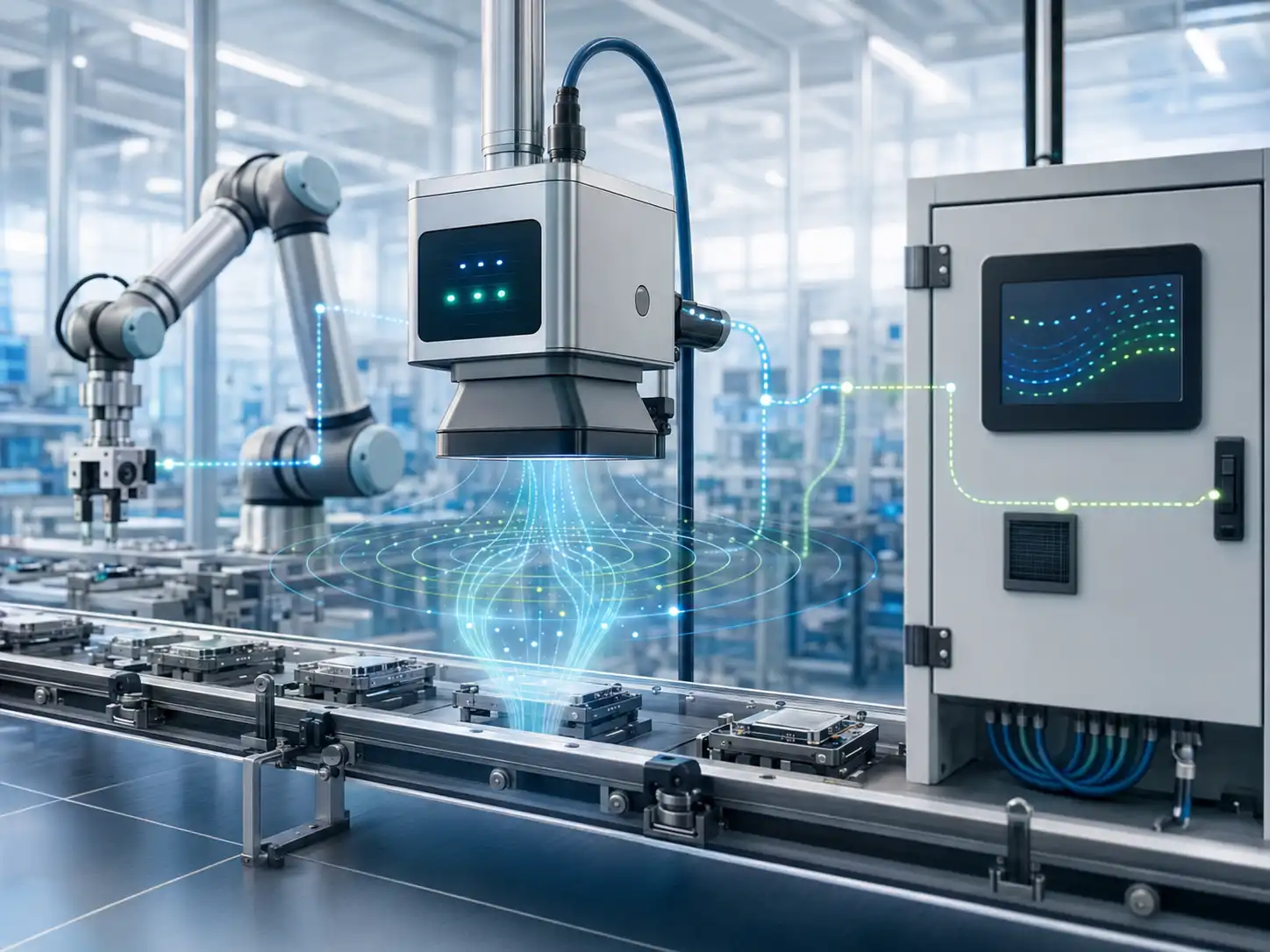
Detect, monitor, and control odor changes during production processes to improve product quality, reduce costs, and promote the development of smart manufacturing.
Environmental Monitoring
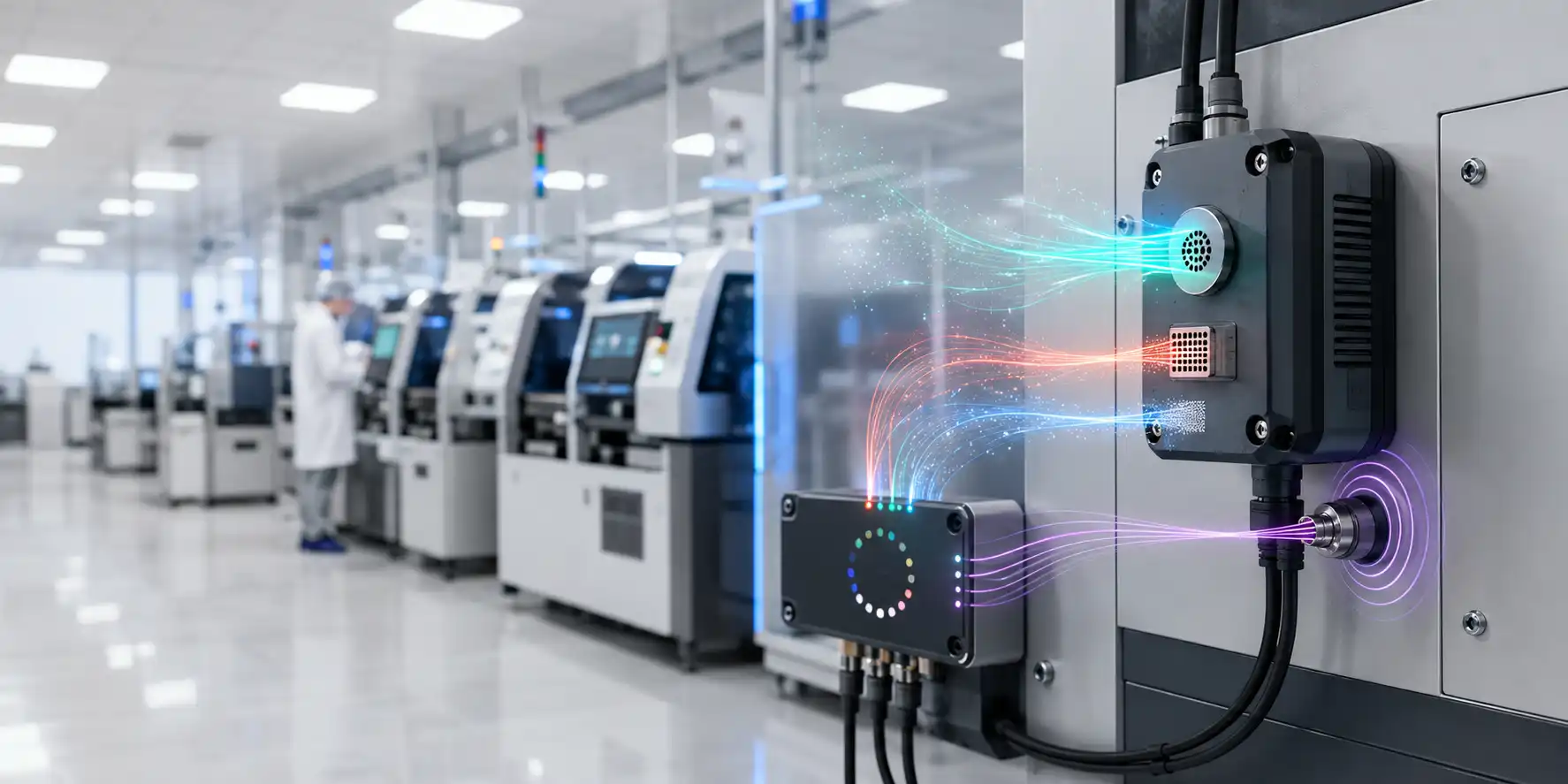
Monitor environmental parameters in production workshops, including **air quality, temperature, humidity, and vibration**, helping enterprises achieve environmental monitoring and control throughout the production process, while improving workplace safety and production efficiency.
Quality Control
Quality Control
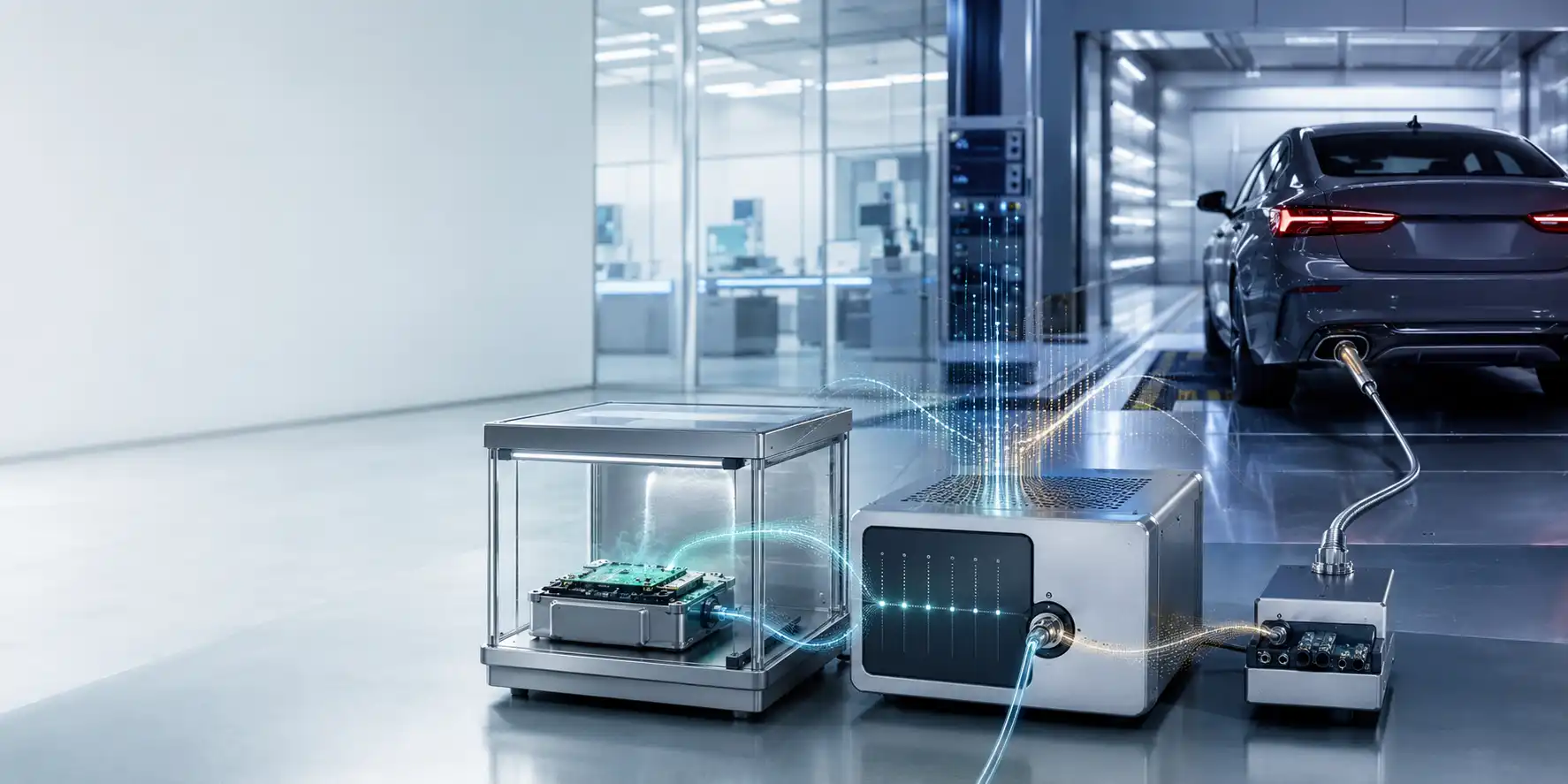
Detect gas components in industrial production, such as **volatile organic compounds (VOCs) emitted from electronic products** and **CO and NOx in vehicle exhaust**, to help ensure product quality and compliance with environmental protection requirements.
Equipment Monitoring
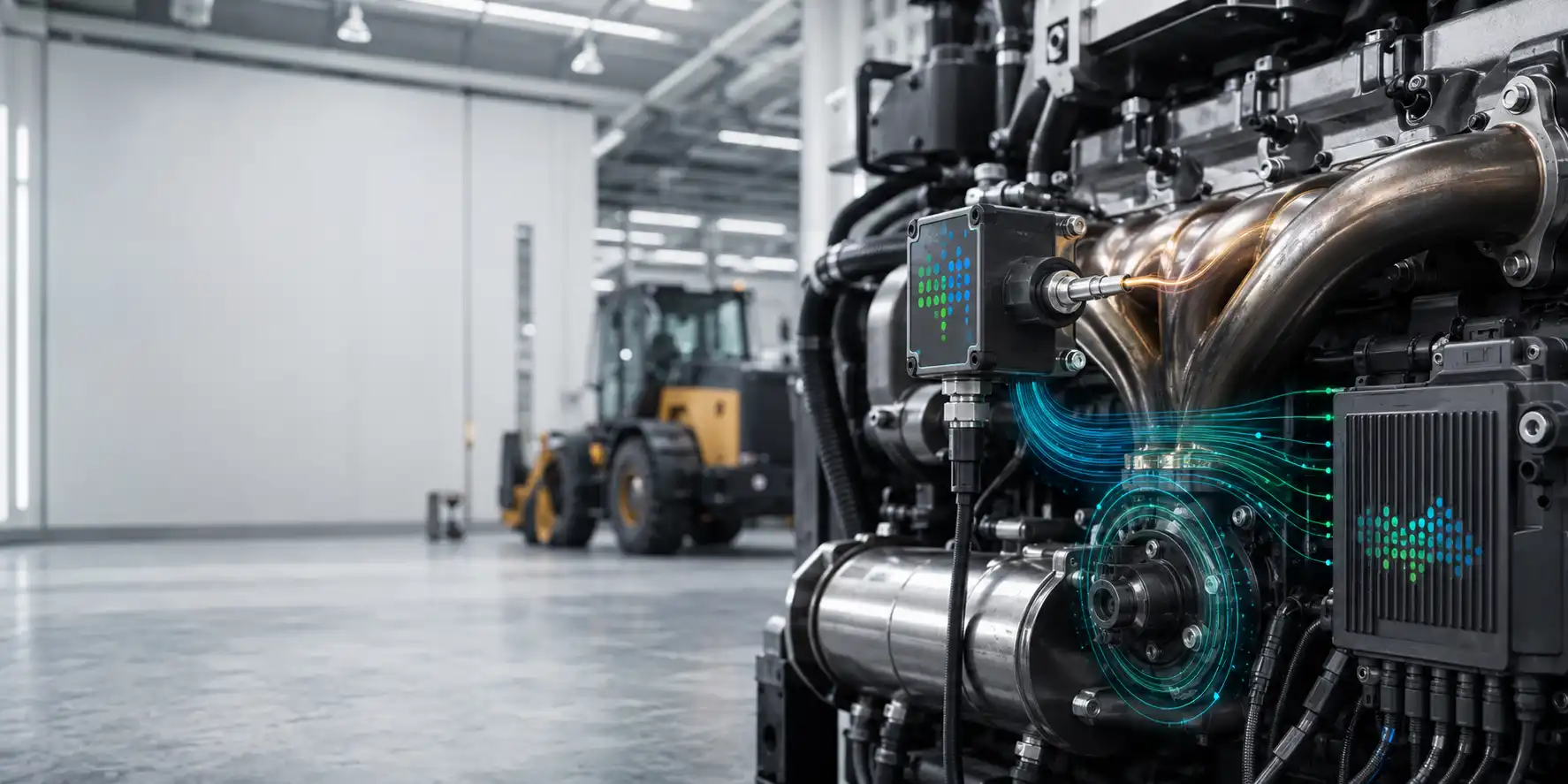
It can monitor the operating status and faults of machinery. For example, by detecting exhaust gases from an engine, the system can determine whether faults are present or whether engine control parameters need to be adjusted, thereby improving operating efficiency and reducing the failure rate of the equipment.
The Battery Thermal Runaway Prevention
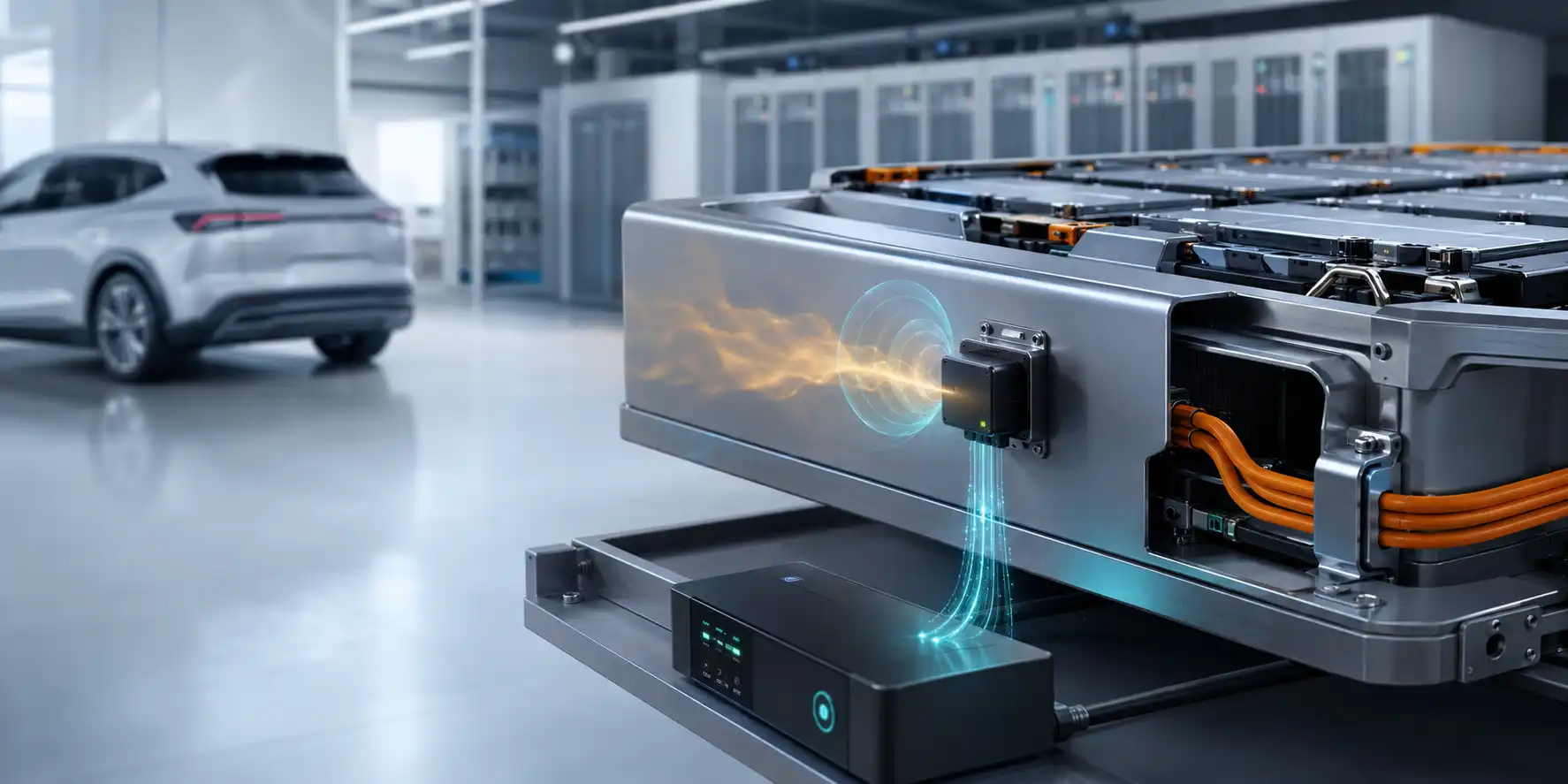
MEMS gas sensors can detect toxic, harmful, and combustible gases generated during thermal runaway combustion of power batteries caused by internal short circuits, overcharging, over-discharging, collisions, and other abnormal conditions. This enables early fire sensing, intelligent assessment, and advance warning for battery safety risks.
Petrochemical
Petrochemical
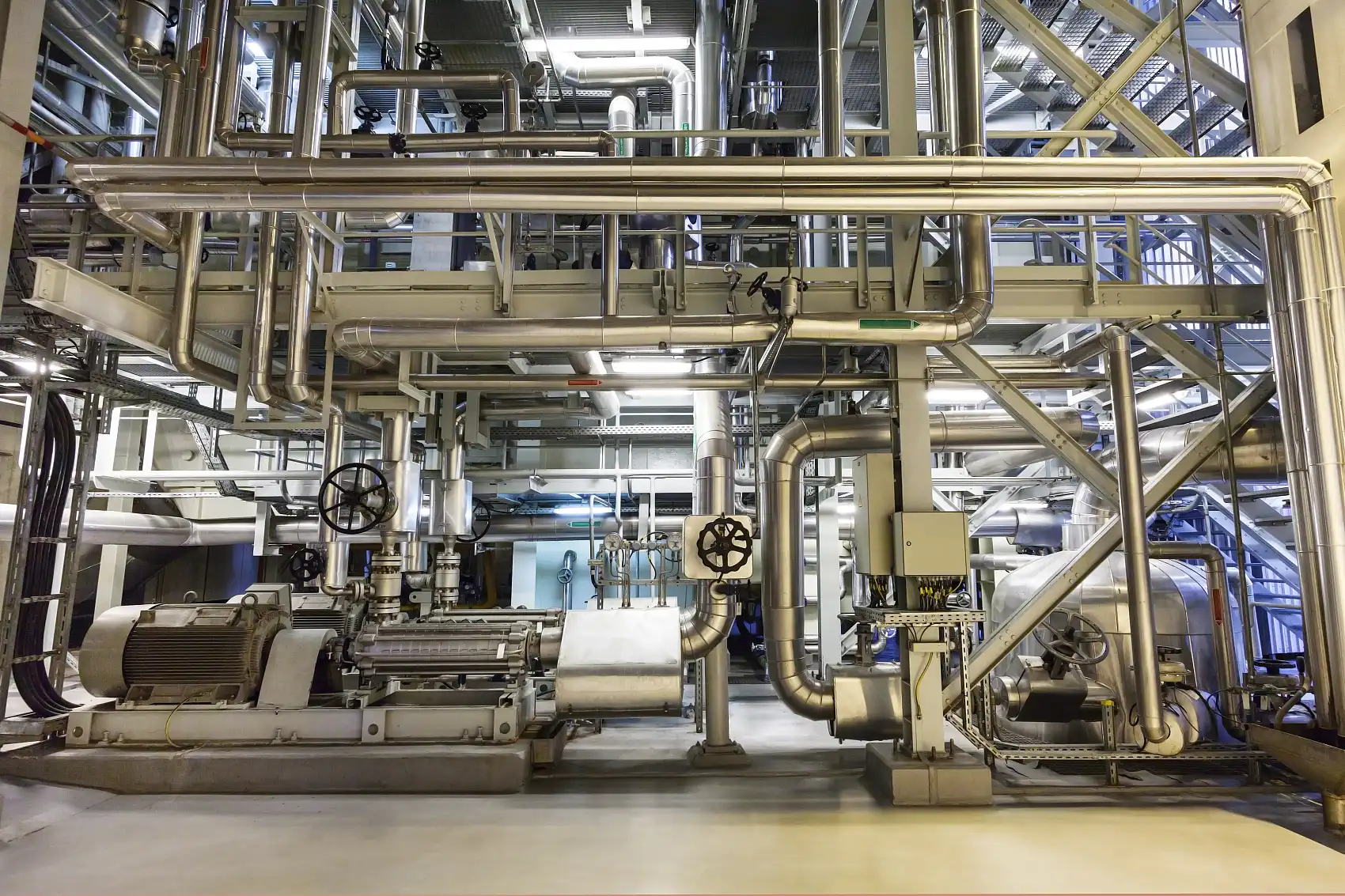
It can help petrochemical enterprises achieve **real-time monitoring and control of gas concentrations and odors**, optimize production processes, improve product quality, and enhance workplace safety.
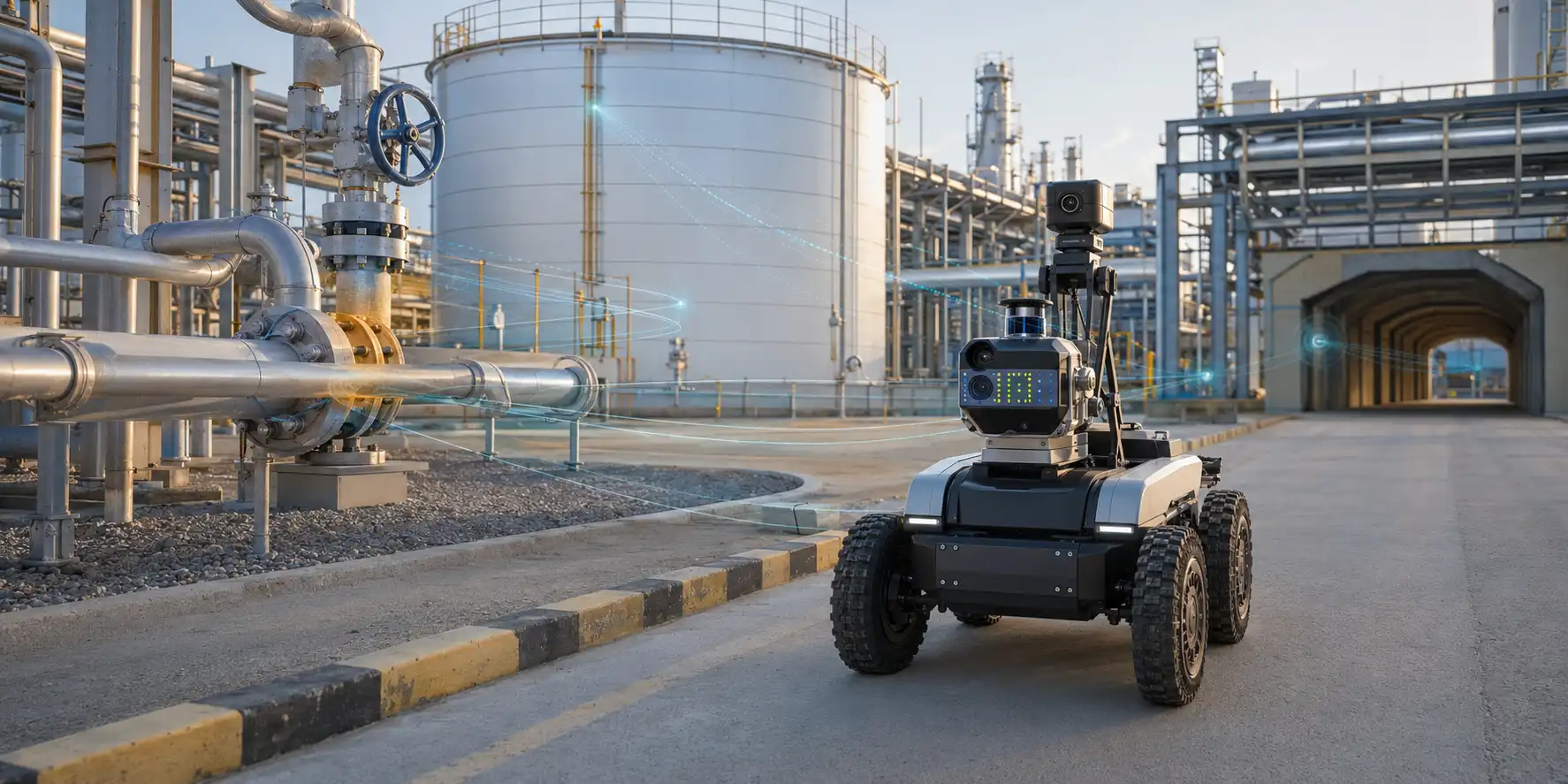
Industrial Inspection Robot
In **industrial inspection robot applications**, gas sensors and multi-channel sensor array modules can be integrated into the robot body to enable mobile inspection of **combustible gases, toxic and harmful gases, TVOC, and abnormal odors** in production workshops, chemical plant areas, storage tank zones, pipe galleries, underground spaces, and around equipment.
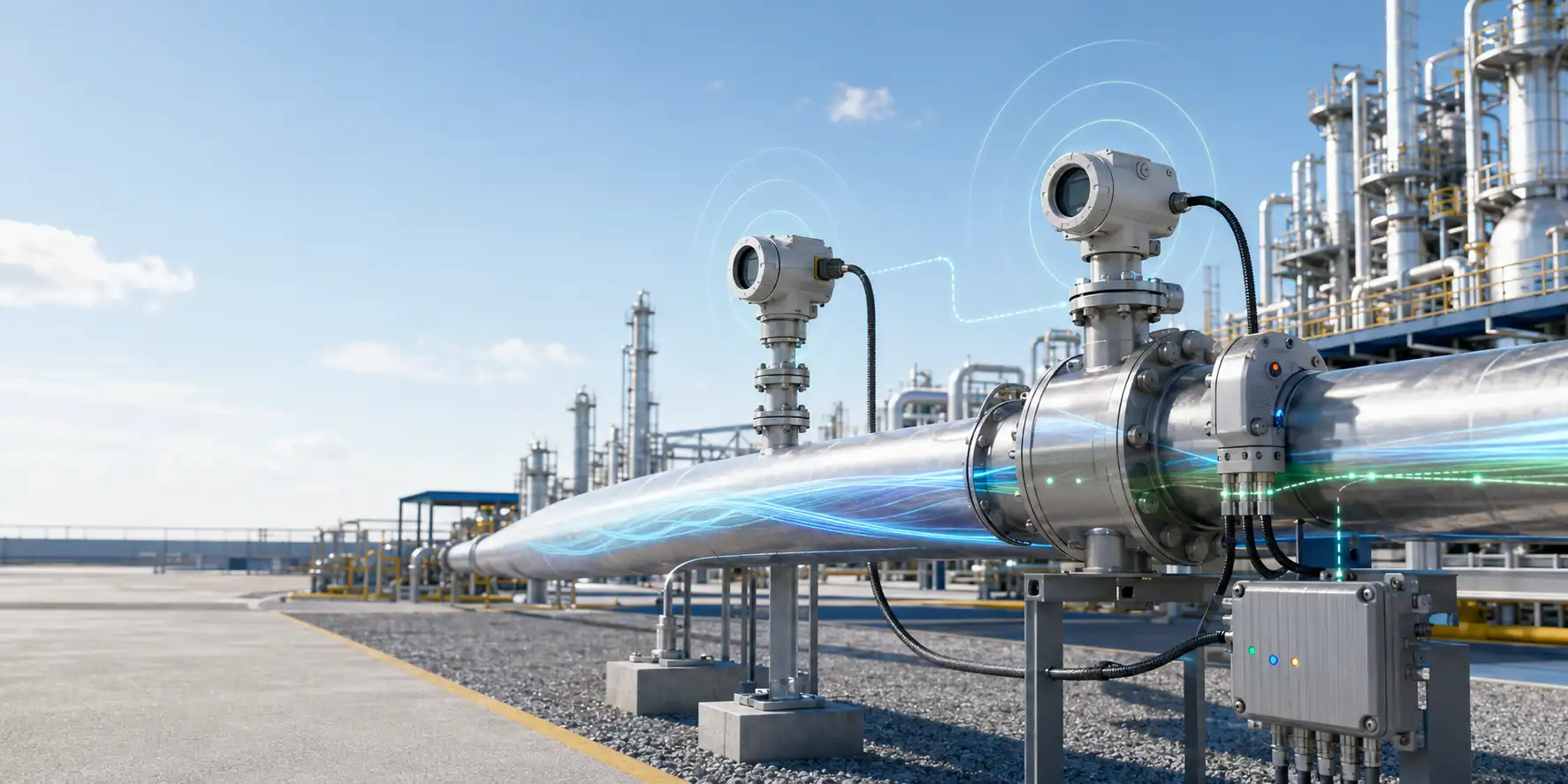
Petrochemical Emission Monitoring
Monitor gas pressure and flow in pipelines to help enterprises achieve process control, energy saving, and consumption reduction. For example, in industrial production, real-time detection of gas flow and pressure enables operators to monitor process parameters and adjust the production process accordingly, thereby improving production efficiency and reducing energy consumption.
Food Industry
Food Industry
Detect, monitor, and control odor changes during production processes to improve product quality, reduce costs, and promote the development of smart manufacturing.
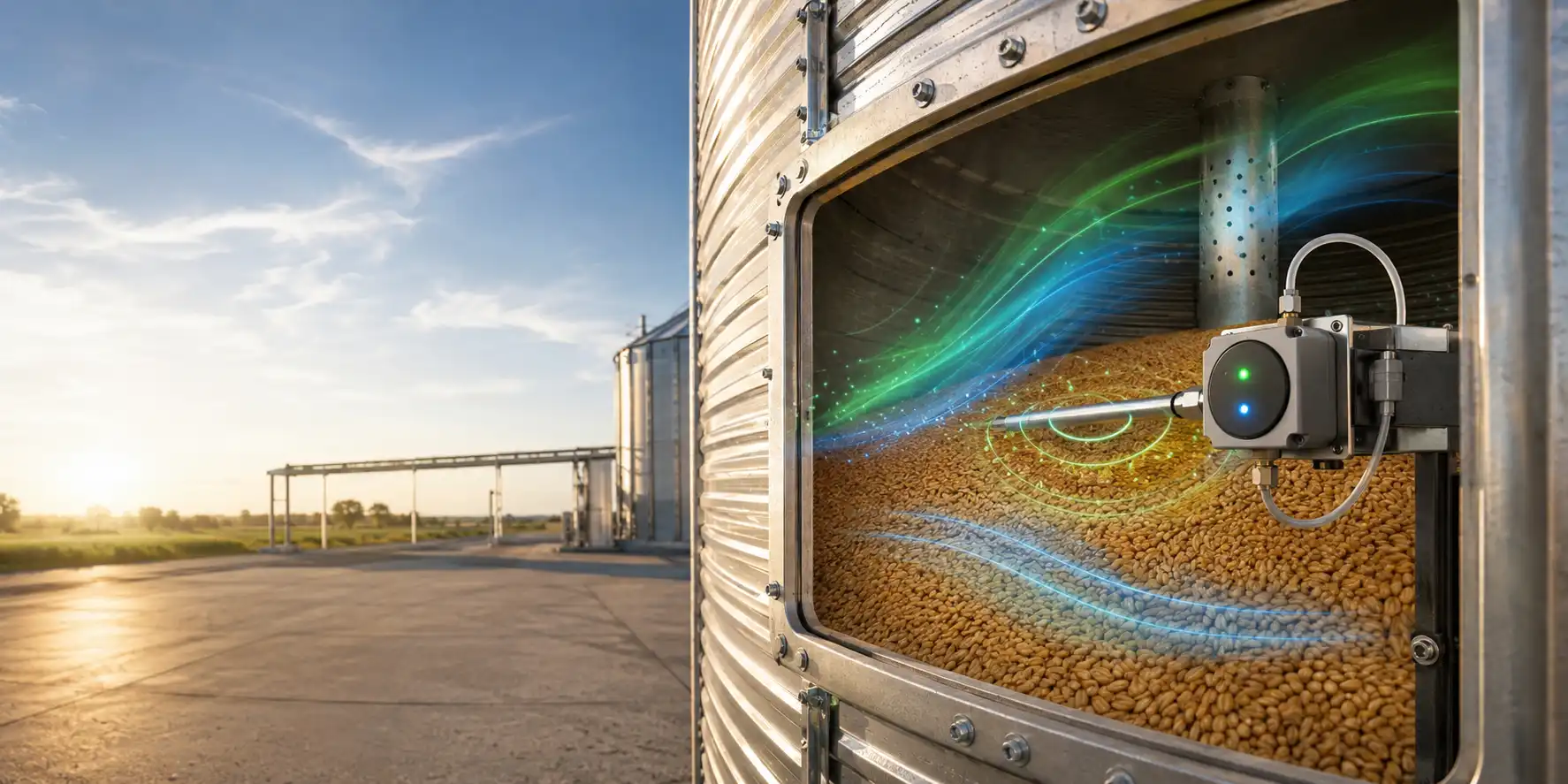
Grain Storage Quality Control
Oxygen and carbon dioxide are important factors affecting grain storage quality. By installing **MEMS gas sensors** in grain storage containers, the oxygen and carbon dioxide levels in stored grain can be monitored and controlled in real time, helping prevent grain deterioration, spoilage, and other problems caused by improper storage conditions.
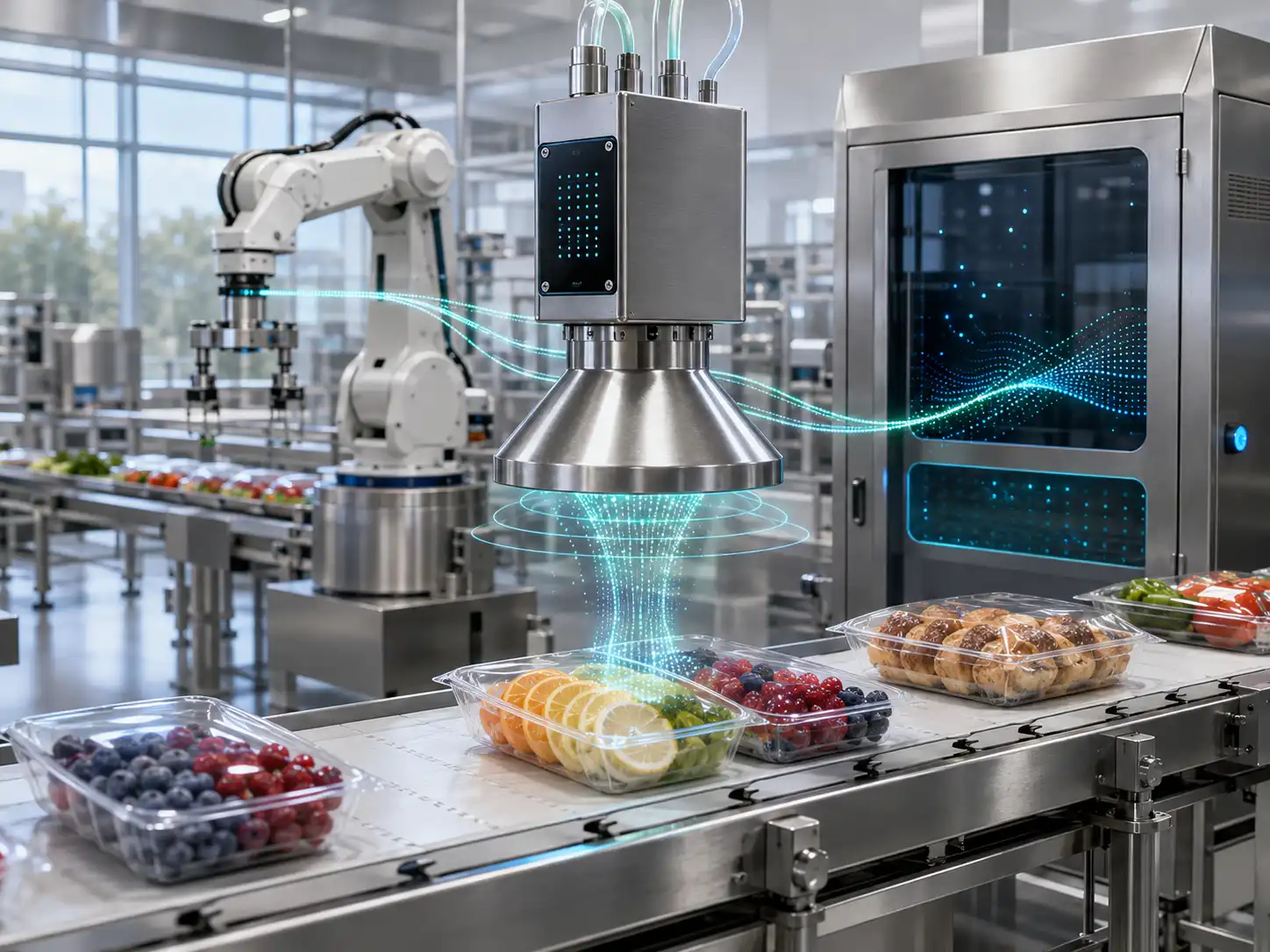
Food Processing Monitoring
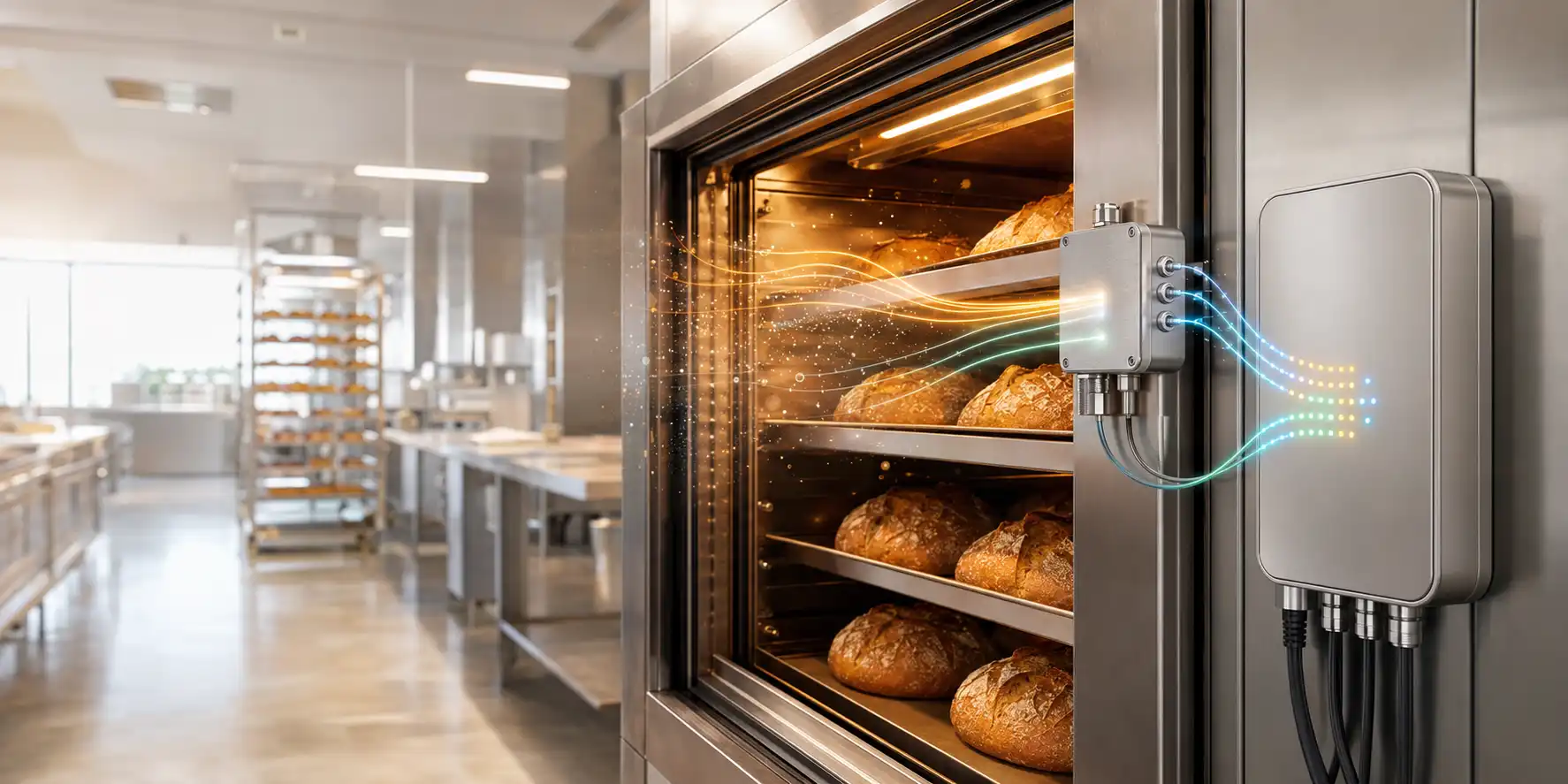
During food processing, certain gas parameters need to be monitored to ensure food quality and safety. For example, during bread baking, MEMS gas sensors can be used to monitor the **temperature, humidity, and carbon dioxide concentration** inside the oven in real time, thereby helping ensure consistent baking quality.
Food Storage & Transportation
During food storage and transportation, food quality may be affected by factors such as temperature, humidity, oxygen, and carbon dioxide. MEMS gas sensors can be used to monitor these parameters in real time, enabling timely detection and resolution of potential issues to ensure the quality of food during storage and transportation.
Food Packaging Inspection
The quality of food packaging plays an important role in food safety and freshness preservation. MEMS gas sensors can be used to monitor the gas composition inside food packaging in real time, enabling timely detection of packaging leakage and other issues to ensure packaging quality and food safety.